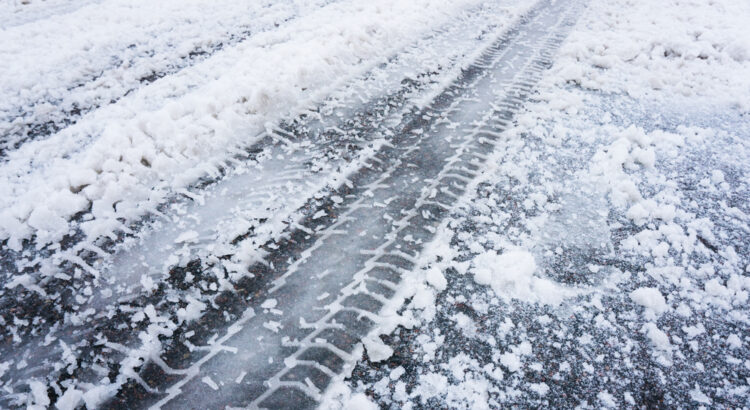
Winter driving places significantly greater demands on your vehicle, and tyre condition is central to maintaining safety on cold and unpredictable roads. As temperatures fall, tyre rubber hardens and grip levels naturally decrease, which makes thorough preparation essential.
This guide explains how to care for your tyres throughout winter and why proactive maintenance is necessary to remain safe and compliant.
Key Takeaways
- Winter conditions reduce tyre grip and increase braking distances, making thorough tyre checks essential.
- Correct tread depth, appropriate pressure, and regular inspections significantly improve winter driving safety.
- Professional assessments help identify faults early and ensure your vehicle remains safe and compliant throughout winter.
Understand the Risks of Winter Roads
Winter weather increases the likelihood of reduced grip, longer stopping distances, and unpredictable handling.
These risks are compounded by the existing tyre safety issues in the UK. An estimated 6.1 million illegal tyres are currently in use on Britain’s roads, and over 2 million vehicles fail their MOT each year due to tyre defects. These figures highlight the importance of maintaining tyres properly before winter conditions intensify the challenges.
Check Tread Depth Thoroughly
Adequate tread depth is vital for maintaining traction on wet or icy surfaces. The legal minimum tread depth is 1.6 mm, although 3 mm is generally recommended for winter use. You should check tread depth across the entire width of each tyre and ensure there is no uneven wear.
Below is a simple comparison of legal requirements and recommended best practice:
| Tyre Condition | Minimum Requirement | Recommended for Winter |
|---|---|---|
| Tread Depth | 1.6 mm (legal) | 3 mm (recommended) |
| Rubber Flexibility | Reduced in cold weather | Optimised with winter or all-season tyres |
Maintain Correct Tyre Pressure
Cold temperatures naturally reduce tyre pressure, which can affect handling, braking performance, and fuel efficiency. You should check pressures at least every two weeks and always before long journeys. Pressure should be set to the manufacturer’s specifications.
- Incorrect pressure increases stopping distances.
- Under-inflation reduces vehicle stability during winter.
- Over-inflation can cause excessive and uneven wear.
- Proper pressure ensures predictable handling in poor conditions.
- Inspect for Damage and Wear
Winter conditions can worsen existing faults, which makes regular inspections essential. You should examine each tyre for visible damage and address any issues immediately.
Common Signs of Tyre Damage
Familiarise yourself with the most common signs of tyre damage:
- Cracks or cuts in the rubber.
- Bulges or distortions in the sidewall.
- Embedded objects such as nails or stones.
- Exposed cords or significant uneven wear.
Early identification helps prevent breakdowns and avoids the higher costs associated with neglected tyre issues.

Consider Winter or All-Season Tyres
Winter and all-season tyres provide better grip than standard summer tyres because their rubber remains flexible at lower temperatures. Although they are not a legal requirement in the UK, they can greatly improve safety if you often travel on rural or untreated roads.
Benefits of Winter Tyres
- Improved braking performance in cold conditions.
- Enhanced traction on frost, ice, or snow.
- More predictable vehicle handling on winter roads.
Drive Smoothly and Carefully
Even with well-maintained tyres, winter conditions require greater caution and smoother inputs from the driver. You should always adjust your driving style to suit the reduced grip available in colder weather.
Key Winter Driving Practices
- Use gentle acceleration to avoid wheel spin.
- Apply steady, progressive braking.
- Increase stopping distances significantly.
- Avoid aggressive steering movements.
When to Seek Professional Help
If you are uncertain about the condition of your tyres, you should seek a professional inspection. A qualified technician can assess tread depth, pressure, alignment, and overall condition more accurately than most drivers can achieve independently. Regular checks ensure your vehicle remains safe and compliant throughout the winter months.
“Tyres are the only part of your vehicle that make contact with the road, so their condition is crucial, especially in winter. A short inspection today can prevent a serious incident tomorrow. At Pantech, we focus on ensuring every driver leaves our workshop with complete confidence in their vehicle’s safety.”
– Duncan, Owner of Pantech Auto Technicians
Trust Pantech Auto Technicians with Your Winter Tyre Care
Pantech Auto Technicians provide comprehensive tyre inspections, replacements, and winter readiness assessments that ensure your vehicle remains safe and roadworthy.
Our skilled team evaluate tread depth, pressure, alignment, and general tyre condition, and we also offer full MOT testing and servicing. With millions of vehicles failing MOT tests due to tyre defects every year, professional support is essential. To ensure your vehicle is fully prepared for winter conditions, contact Pantech Auto Technicians today.