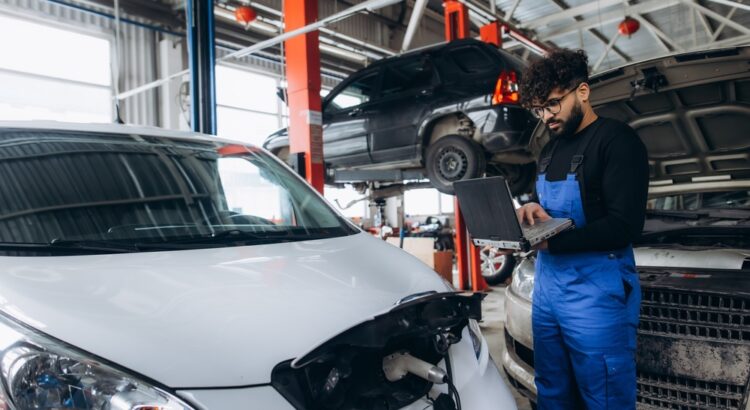
Electric vehicles are becoming increasingly common on UK roads, but many drivers are still unsure how the MOT differs from a traditional petrol or diesel vehicle. While the process may seem unfamiliar at first, the reality is far simpler than most expect.
In this article, we explain what happens during an electric car MOT, breaking down what is checked, common reasons for failure, and why Pantech Auto Technicians are a trusted choice for keeping your EV safe, compliant, and road-ready.
Key Takeaways
- Electric cars must have an MOT after three years and annually thereafter, with the same DVSA safety standards as other vehicles, alongside EV-specific checks, but no emissions or fuel system testing.
- Most electric car MOT failures are caused by general wear and tear, with common issues including tyre wear, brake corrosion or reduced efficiency, suspension wear, lighting faults, and windscreen or visibility problems.
- Pantech Auto Technicians provide electric car MOTs and servicing in Guildford, helping EV owners keep their vehicles safe, compliant, and roadworthy.