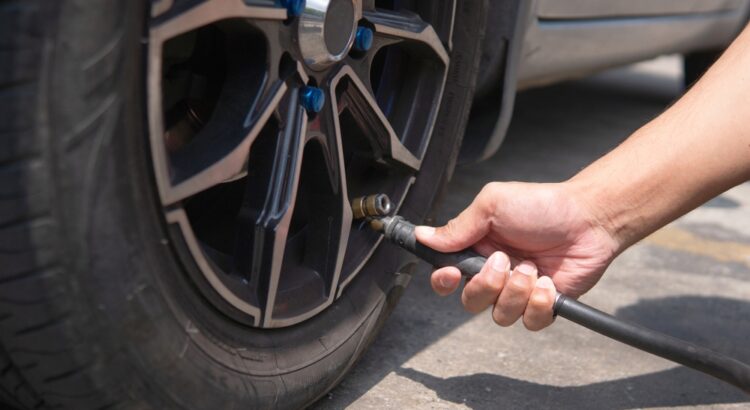
Most cars require tyre pressures between 30 and 35 PSI (around 2.1 to 2.4 BAR), but the correct pressure for your vehicle will depend on the manufacturer’s recommendations, tyre size, and load weight. You can usually find the correct tyre pressure inside the driver’s door frame, inside the fuel filler flap, or in the owner’s handbook.
For our team at Pantech Auto Technicians, incorrect tyre pressure is one of the most common issues identified during servicing and MOT checks. Driving with tyres that are underinflated or overinflated can affect safety, fuel efficiency, handling, and tyre lifespan.
This guide explains how to find the correct tyre pressure for your car, what PSI and BAR mean, and answers some of the most common tyre pressure questions.
Key Takeaways
- Most cars require tyre pressures between 30 and 35 PSI (around 2.1 to 2.4 BAR), but the correct figure always depends on the manufacturer’s recommendation for your specific vehicle.
- Correct tyre pressure improves safety, fuel efficiency, handling, braking performance, and tyre lifespan, while incorrect pressure increases wear and running costs.
- PSI and BAR are the two main units used to measure tyre pressure, and both can be found on gauges, air pumps, and vehicle information labels.
- Tyre pressure should be checked regularly, particularly before long journeys or when carrying extra load, as it naturally changes with temperature and usage.
Why Correct Tyre Inflation Is Important
Correct tyre inflation is essential for vehicle safety, performance, and efficiency. Tyres that are inflated to the correct pressure provide better grip, more even tread wear, improved fuel economy, and safer handling in different driving conditions.
Driving with incorrect tyre pressure can negatively affect how your car performs on the road and may increase long-term running costs.
Problems Caused by Underinflated Tyres
Underinflated tyres contain less air than recommended, causing more of the tyre to come into contact with the road surface. This increases rolling resistance and places additional strain on the tyre. Common problems caused by underinflated tyres include:
- Increased fuel consumption
- Uneven tyre wear along the outer edges
- Reduced steering response
- Longer braking distances
- Increased risk of tyre overheating
- Higher chance of tyre failure or blowouts
Problems Caused by Overinflated Tyres
Overinflated tyres contain too much air pressure, reducing the tyre’s contact area with the road. This can lead to:
- Excessive wear through the centre of the tyre
- Reduced grip in wet conditions
- A firmer and less comfortable ride
- Increased vulnerability to pothole damage
- Reduced braking performance in some conditions
What Is the Correct Tyre Pressure for My Car?
The correct tyre pressure varies depending on the make and model of the vehicle, tyre size, and load weight.
Most passenger cars typically require tyre pressures between 30 and 35 PSI, although this can differ depending on the manufacturer’s specifications.
You can usually find the recommended tyre pressure:
- Inside the driver’s door frame
- Inside the fuel filler flap
- In the vehicle handbook
Drivers can also use reputable online tyre pressure tools by entering the vehicle registration or make and model details. These tools can provide manufacturer-recommended tyre pressure information for both front and rear tyres.
It is important to use the vehicle manufacturer’s recommended settings rather than the maximum pressure listed on the tyre sidewall. The figure shown on the tyre itself refers to the tyre’s maximum safe pressure, not the ideal operating pressure for everyday driving.
Understanding PSI and BAR
Tyre pressure is measured using two common units: PSI and BAR. Both measurements indicate how much air pressure is inside the tyre, and many tyre inflators and pressure gauges display both units.
- PSI stands for pounds per square inch. It is the most commonly used tyre pressure measurement in the UK and is widely displayed on petrol station air pumps and tyre pressure gauges.
- BAR is a metric unit used to measure pressure. One BAR is roughly equal to atmospheric pressure at sea level, and some tyre inflators, particularly in Europe, may display BAR instead of PSI.
| PSI | BAR |
|---|---|
| 26 PSI | 1.79 BAR |
| 28 PSI | 1.93 BAR |
| 30 PSI | 2.07 BAR |
| 32 PSI | 2.21 BAR |
| 34 PSI | 2.34 BAR |
| 36 PSI | 2.48 BAR |
| 38 PSI | 2.62 BAR |
| 40 PSI | 2.76 BAR |
Car Tyre Pressure FAQs
How Often Should Tyre Pressure Be Checked?
Tyre pressure should ideally be checked at least once a month and before any long journey. Tyres naturally lose air over time, while changes in temperature can also affect tyre pressure, particularly during colder weather. For the most accurate reading, tyre pressure should always be checked when the tyres are cold.
Does Tyre Pressure Change With Passenger or Load Weight?
Yes, many vehicles have different recommended tyre pressures depending on the number of passengers or the amount of luggage being carried. Heavier loads place more pressure on the tyres, so manufacturers may recommend slightly higher tyre pressures, especially for the rear tyres, to help maintain stability, handling, and safety.
Does Tyre Pressure Differ for Electric Vehicles?
Electric vehicles often require different tyre pressures because they are typically heavier than petrol or diesel vehicles due to their battery systems. Many EVs also produce instant torque, which can increase tyre wear if the tyres are not inflated correctly. Drivers should always follow the tyre pressure recommendations provided specifically for their electric vehicle model.
Can Incorrect Tyre Pressure Affect Fuel Economy?
Yes, incorrect tyre pressure can reduce fuel efficiency. Underinflated tyres create greater rolling resistance, which means the engine must work harder to move the vehicle. Maintaining the correct tyre pressure can help improve fuel economy and reduce unnecessary tyre wear.
Can Incorrect Tyre Pressure Cause an MOT Failure?
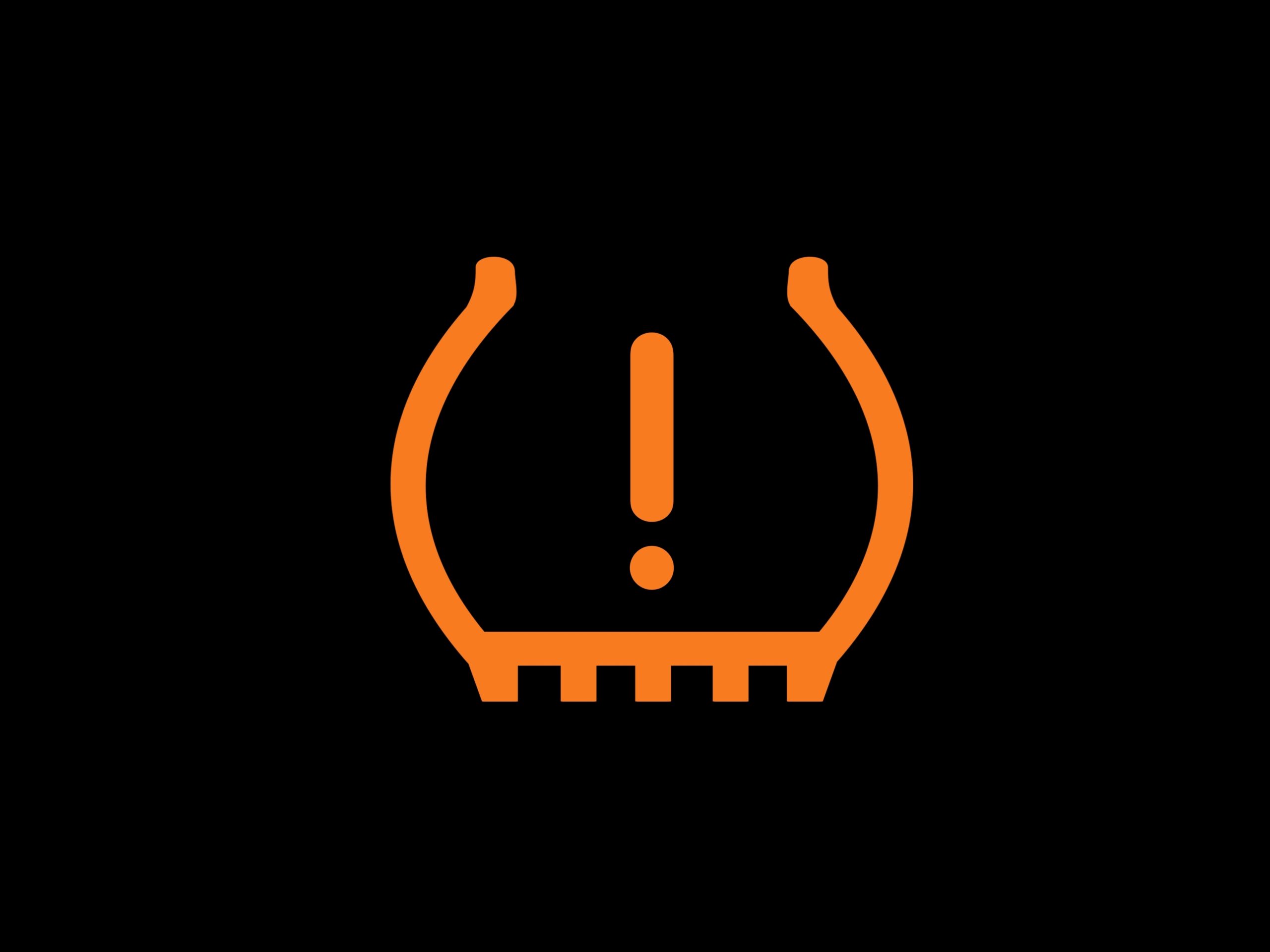
Tyre pressure itself is not directly tested during an MOT, but incorrect pressure can contribute to tyre damage or uneven tread wear, which may result in a failure. Vehicles fitted with a Tyre Pressure Monitoring System may also fail if the TPMS warning light remains illuminated during the test.
Should I Check Tyre Pressure Before a Long Journey?
Yes, checking tyre pressure before a long journey is strongly recommended, particularly if the vehicle is carrying passengers or heavy luggage. Correct tyre pressure helps improve stability, braking performance, fuel efficiency, and overall driving safety during extended journeys.
What Is a Tyre Pressure Monitoring System?
A Tyre Pressure Monitoring System, commonly known as TPMS, is an electronic safety feature that alerts the driver when tyre pressure falls below the recommended level. While TPMS can help identify pressure issues quickly, it should not replace regular manual tyre pressure checks.
Tyres in Guildford with Pantech Auto Technicians
If you need professional tyre fitting in Guildford, Pantech Auto Technicians provides a reliable and experienced tyre fitting service for a wide range of vehicles. Whether your tyres are worn, damaged, or due for replacement, having them fitted correctly is essential for maintaining vehicle safety, handling, and performance.
All tyre fitting prices include:
- Professional tyre fitting
- Computerised wheel balancing
- Disposal of the old tyre
Tyre fitting should always be carried out by a specialist, as the process can be complex and requires specialist equipment. Professional tyre fitting machines use mounting arms and bead breakers to safely remove and replace tyres without damaging the wheel. Before the tyre can be removed, the vehicle must first be safely raised and the tyre completely deflated.
To book your tyre fitting service today, please contact us on 01483 694422.