
How much do you really know about your car tyres? From understanding the different types available to knowing what your tyre markings mean, tread depth, and pressure, there are several important things every driver should be familiar with.
In this guide, we explore frequently asked questions about car tyres, covering key areas to help you better understand your tyres, make informed decisions, and know when it’s time to consult an expert, such as our team at Pantech Auto Technicians, for professional help.
1. What Types of Car Tyres Are Available?
There are several different types of car tyres available, each designed to perform best in particular conditions. The main options include:
- Summer tyres: Designed for warmer conditions, providing good grip and handling on both wet and dry roads.
- Winter tyres: Made to perform in colder temperatures, with a tread pattern and rubber compound designed to provide better grip in winter conditions.
- All-season tyres: Designed to offer a balance of performance across different weather conditions throughout the year.
- Performance tyres: Developed for high-performance vehicles, providing enhanced grip, handling, and stability.
The best choice will depend on your vehicle and the conditions you regularly drive in.
Also read: How to Look After Your Tyres for Winter Driving
2. What Do the Numbers and Letters on My Tyre Mean?
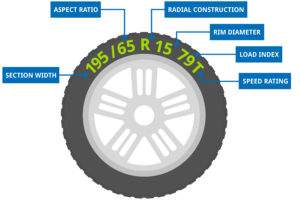
The numbers and letters on the side of your tyre provide important information about its size and specifications. For example, a marking such as 205/55 R16 91V tells you the following:
- 205 refers to the tyre width in millimetres.
- 55 is the aspect ratio, showing the sidewall height as a percentage of the tyre’s width.
- R indicates radial construction.
- 16 is the wheel diameter in inches.
- 91 is the load index, indicating the maximum weight the tyre can carry.
- V is the speed rating.
Understanding these markings can help you identify the correct tyres for your vehicle when they need replacing.
3. What Is the Legal Minimum Tyre Tread Depth in the UK?
The legal minimum tread depth for car tyres in the UK is 1.6mm. This must be maintained across the central three-quarters of the tyre and around its entire circumference.
However, it is worth checking your tread regularly rather than waiting until it reaches the legal limit. It is recommended that you consider replacing tyres when the tread reaches around 3mm, as this can help maintain good grip and water dispersal.
If your tyres fall below the legal limit, you could receive a fine of up to £2,500 and three penalty points per tyre. With this in mind, regular tread checks are an important part of keeping your tyres safe and road legal.
4. How Can I Check My Tyre Tread Depth at Home?
Checking your tyre tread depth doesn’t have to be difficult, and there are a few simple ways to do it at home:
- One of the easiest is the 20p test. Simply place a 20p coin into the main grooves of your tyre tread. If you can see the coin’s outer edge, your tread may be below the legal limit and should be checked by a professional.
- For a more accurate measurement, you can use a tyre tread depth gauge, which measures the depth in millimetres. You should check several points across the tyre, as uneven wear can mean the tread depth isn’t the same everywhere.
- It’s also worth looking at the tread wear indicators (TWI) built into the grooves of your tyres. These raised sections show when the tread has worn down to the legal minimum of 1.6mm.
Also read: How to Check Tyre Tread Depth
5. What Tyre Pressure Should My Car Have?
There isn’t one universal tyre pressure that is right for every car. The recommended pressure depends on your particular vehicle, its tyres, and how much weight it is carrying.
You can usually find the correct tyre pressure in your vehicle handbook, on a sticker inside the driver’s door or door frame, or inside the fuel filler flap.
Your vehicle may also have different recommended pressures depending on the load, so it’s important to check the manufacturer’s figures rather than relying on a generic pressure.
6. How Often Should I Check My Tyre Pressure?
Tyre pressure should be checked regularly, as it can gradually change over time, even when there isn’t an obvious problem with the tyre. Pantech recommends checking your tyre pressure at least once a month, as well as before setting off on a long journey.
For the most accurate reading, check your tyres when they are cold, as driving heats the tyres and can temporarily increase the pressure reading.
7. What Happens if My Tyres Are Underinflated or Overinflated?
Having the wrong tyre pressure can affect your car’s handling, braking, fuel consumption, and tyre wear.
Underinflated tyres have more contact with the road, increasing rolling resistance and strain on the tyre. This can increase fuel consumption, cause uneven wear along the outer edges, reduce steering response, lengthen braking distances, and increase the risk of overheating or blowouts.
Meanwhile, overinflated tyres have less contact with the road, which can reduce grip and affect handling. They can cause excessive centre wear, reduce wet-weather grip, create a firmer ride, increase vulnerability to pothole damage, and affect braking performance.
8. What Are the Signs That a Tyre Is Damaged or Needs Attention?
Regularly checking your tyres can help you spot problems before they become more serious. Look out for:
- Cuts, cracks, or splits
- Bulges or lumps on the sidewall
- Uneven or excessive tread wear
- Objects embedded in the tyre, such as nails or screws
- Exposed cords or visible internal damage
Vibrations, unusual noises, pulling to one side, or sudden pressure loss can also indicate a problem. If you notice anything unusual, have your tyres checked by a qualified professional.
9. Do I Need to Carry a Spare Tyre in My Car?
No, you are not legally required to carry a spare tyre in the UK. However, keeping one in your car can be a real benefit if you suffer a puncture or tyre damage while out on the road, particularly if you’re travelling somewhere remote or don’t have immediate access to assistance.
Not all vehicles come with a spare tyre, either. Some are equipped with a tyre repair kit or run-flat tyres instead, so it’s worth knowing what your vehicle has and how to use it before you need it.
Also read: Car Tyres: Everything You Need to Know
10. Can Pantech Autos Help With My Car Tyres?
Absolutely. Whether you need a routine tyre check, have spotted a problem, or know your tyres are due for replacement, the team at Pantech Auto Technicians, Guildford MOT and service centre, can help. Our experienced technicians can check your tyres, assess their tread depth and condition, and provide professional tyre fitting in Guildford when replacement tyres are needed.
With professional equipment and extensive experience, Pantech Autos can help ensure your tyres are safe, suitable for your vehicle, and ready for the road.
If you’re unsure about your tyres or need a replacement, get in touch with the team today to arrange an appointment.